When Your Roof Leaks but Shingles Look Fine
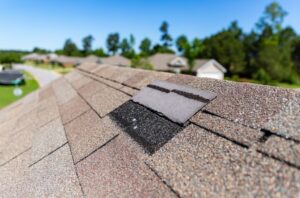
In Overland Park, Lee’s Summit, and the surrounding areas, we see this scenario often: after a storm, a homeowner notices a brown spot on the ceiling or peeling paint in the corner of a room. They check the roof and don’t see anything obvious. No missing shingles. No gaping holes. Still, water is getting in.
Leaks like these are more common than most people expect. They’re usually the result of hidden roof damage. These issues form quietly over time or after a storm, often invisible from the ground.
We’ve been replacing and repairing roofs across Kansas and Missouri since 1964. Our team has completed more than 15,000 roofing projects, and we’ve learned that not all problems announce themselves loudly.
In this article, we’ll walk through:
- The top roof leak causes that don’t involve missing shingles
- How weather impacts water intrusion roofing in our region
- What signs to look for before water damage spreads
- When to call in a professional for inspection and repairs
If you’re seeing early warning signs like water stains, damp attic insulation, or ceiling bubbling, don’t wait. Schedule an inspection with Brewster Roofing. Catching problems early helps avoid long-term structural or interior damage.
Why Roofs Leak Without Visible Damage
Kansas and Missouri experience a mix of hailstorms, strong winds, and hard freezes. These weather patterns stress a roof system in ways that aren’t always visible. Even high-quality shingles can be compromised by wind uplift or hail impact without falling off the roof.
Leaks can start at the seams, the edges, or the flashing. Left alone, they lead to mold, insulation damage, wood rot, or even electrical hazards.
Our climate adds another challenge. Rapid freeze-thaw cycles expand trapped moisture, making tiny issues worse. Over time, that creates an entry point for water.
If your home or building is more than 10 years old, or you’ve had a recent storm in your area, it’s worth taking a closer look.
The Most Common Causes of Roof Leaks in Kansas and Missouri
1. Storm Damage: Hail, Wind, and Ice
Hail can dent flashing or bruise shingles in ways that aren’t immediately obvious. The damage might not be visible from the ground, but it can compromise your roof’s ability to shed water over time.
Strong winds, especially along roof edges, can lift shingles just enough to break their seal. That creates a path for water to get in through exposed nail holes or underlayment.
In winter, ice dams form when melting snow refreezes along the roof edge. This forces water to back up under the shingles, often leading to leaks even when the shingles themselves stay in place.
Read our guide on what to do after a storm damages your roof.

2. Missing or Damaged Shingles
This is more likely in older roofs or after high winds. Even a single cracked or curled shingle can expose the underlayment to moisture. Granule loss is another red flag.
If you notice shingle fragments or excess granules around your property, there’s a good chance the damage started at the surface.
3. Clogged or Failing Gutters
Gutters that don’t drain properly can cause water to back up onto the roofline. That overflow often seeps beneath shingles, leading to leaks, fascia damage, and in some cases, basement moisture issues.
We see this most often in the fall, when leaves and debris clog the system. Overflowing gutters can also rot the edges of your siding and soffits, creating slow-developing water intrusion problems.
Here’s how gutter guards prevent backups and roof leaks.
4. Faulty Flashing
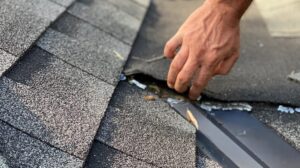
Flashing is the metal material that seals roof penetrations, including chimneys, vents, and skylights. It’s also used in roof valleys and wall transitions.
Common problems include rusted metal, cracked sealant, or improper installation. These failures allow water to sneak behind otherwise intact shingles.
We recommend inspecting flashing every one to two years, especially on older homes or commercial buildings.
5. General Roof Wear
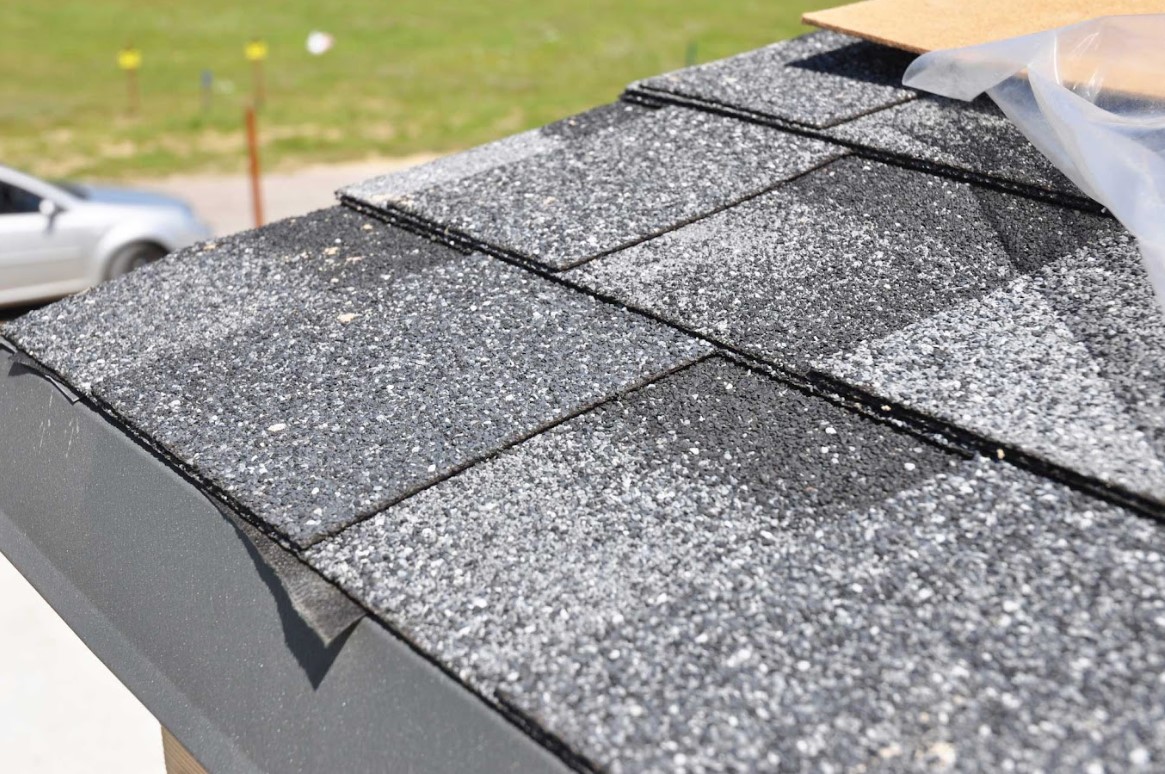
Most asphalt shingle roofs in our region last 20 to 25 years. But by year 15, most show signs of wear.
Look for curling, discoloration, missing granules, or signs of brittleness. At this stage, leaks often start with no visible warning outside.
What to Do if You Suspect a Leak
Use this checklist to assess your home:
- Look in the attic for damp insulation, dark spots on wood, or visible daylight
- Check ceilings for stains, bubbling paint, or sagging drywall
- Inspect gutters and downspouts for clogs or overflow
- Avoid guesswork. Schedule a roof inspection with a certified professional
Leaks don’t always show up where the damage is. Water can travel along framing and appear in unexpected places.
When to Bring in a Roofing Professional
If you’ve noticed any of the warning signs above, or you’ve had a storm in your area within the last 12 months, it’s time to get a qualified inspection.
At Brewster Roofing, we don’t push replacements unless they’re necessary. We’ll explain what we find, show you photos, and give clear options based on the condition of your roof and the materials involved.
We also handle storm-related insurance claims and can tarp roofs at night if needed. That kind of responsiveness matters when you’re trying to prevent further damage.
Book an Inspection Before the Next Storm Hits
Leaks don’t wait for a convenient time. If you’re seeing signs of trouble, the best move is to act before the next weather system rolls in.
We offer:
- Leak detection
- Storm damage evaluations
- Flashing and gutter inspections
- Full roof replacements for residential and commercial properties
- Insurance claim support when needed
Kansas: (913) 915-5234
Missouri: (816) 779-7200
Email: Customer@BrewsterGC.com
Schedule an inspection
Common Roof Leak Questions for Homeowners in Overland Park and Lee’s Summit
If you’ve spotted signs of a leak or water damage but aren’t sure where it’s coming from, you’re not alone. Below are the most frequently asked questions we get from homeowners and property managers in the Kansas City metro area about roof leaks, hidden roof damage, and what to do next.