In Overland Park, spring rarely eases in quietly. One week feels mild. The next brings hail alerts and strong winds across Johnson County.
That shift is exactly why a spring roof inspection in Overland Park, KS makes sense. It gives you time to identify issues before storm season peaks. More importantly, it replaces guesswork with documentation.
At Brewster Roofing, we have been repairing and replacing roofs since 1964. We have completed more than 15,000 projects across Kansas and Missouri. Our approach is consistent. Perform a thorough inspection. Document the condition. Explain the findings clearly. Let you decide the next step.
This guide walks through:
- What a spring roof inspection actually involves
- How roof damage detection works in our climate
- A practical roof maintenance checklist
- Why timing matters before hail season
- How inspections support insurance documentation
If you would rather speak directly with a professional, schedule an inspection with our team. We will provide clear findings and practical recommendations.
Why a Spring Roof Inspection Matters in Overland Park, KS
Roofs in this region face predictable stress.
Freeze-thaw cycles in winter cause expansion and contraction. Sealants dry out. Flashing loosens. Then spring arrives with wind gusts that test every vulnerable edge. Add hail into the equation, and minor wear can quickly become functional damage.
Most residential properties here use asphalt shingles with a 20 to 25 year life expectancy under proper conditions. That lifespan assumes routine inspections and correct installation.
A spring roof inspection establishes a baseline. It answers a simple question: is your roof prepared for what the next few months typically bring?
Understanding Roof Damage Detection
Roof damage detection is not limited to obvious missing shingles. It is a systematic evaluation of the entire roofing system.
We look for:
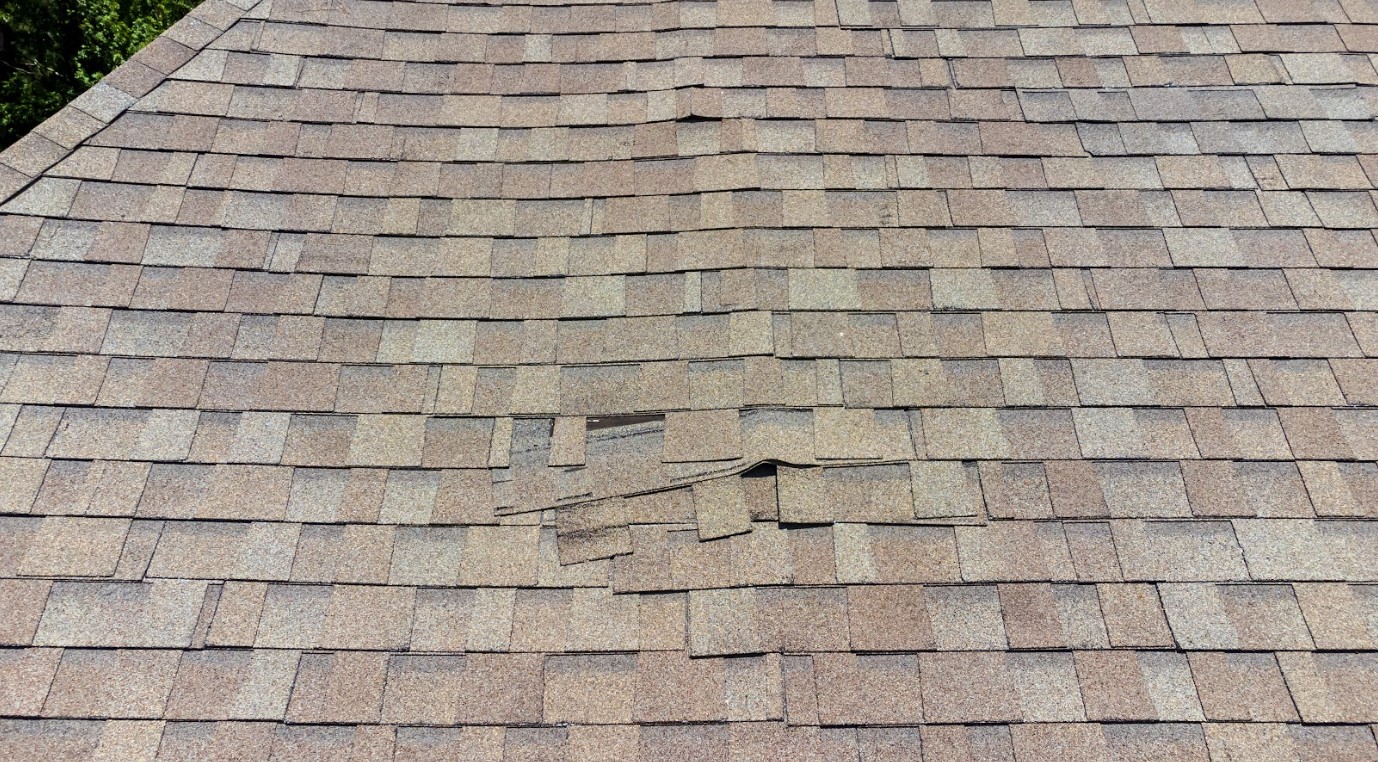
- Wind creases and lifted tabs
- Granule loss that exposes underlying mat
- Flashing separation at chimneys and penetrations
- Valley wear patterns
- Signs of attic moisture or ventilation imbalance
Some hail damage does not leak immediately. It weakens the shingle structure over time. That is why documentation during a seasonal inspection is valuable, even if no immediate repair is required.
When done properly, roof damage detection reduces uncertainty and prevents delayed surprises.
The Cost of Skipping a Seasonal Inspection
Small issues rarely stay small.
A slightly lifted shingle can tear away in high wind. Minor flashing separation can allow slow moisture intrusion. Interior staining often appears months after the exterior problem began.
Repair costs vary based on roof type, material selection, structural complexity, and whether insurance is involved. We do not provide blanket pricing because each roof is different. What we can say is this: early detection usually costs less than deferred correction.
A structured inspection in spring protects both the roof and your budget planning.
How to Prepare for a Spring Inspection
You do not need a long checklist, but preparation helps.
- Confirm the approximate age of the roof
- Locate any prior repair or insurance records
- Note interior ceiling stains or attic concerns
- Clear accessible debris from gutters
There is no reason to climb onto the roof yourself. Spring surfaces can be slick, and inspection requires training to avoid causing damage.
With that groundwork in place, the focus shifts to a systematic roof maintenance checklist.
A Practical Roof Maintenance Checklist for Spring
This is the framework we follow during residential inspections.
Ground-Level Review
Begin at a distance.
Look for:
- Shingles out of alignment
- Uneven rooflines
- Detached or sagging gutters
- Granule buildup near downspouts
These are early indicators of wind stress or aging materials.
Attic Assessment
The attic often reveals issues before the exterior does.
Check for:
- Light penetrating through decking
- Damp insulation
- Rusted fasteners
- Musty air
Ventilation problems frequently shorten shingle life and increase energy costs.
Shingle Surface Evaluation
On the roof surface, we assess:
- Hail impact marks
- Cracking or curling
- Excessive granule loss
- Exposed nail heads
In a hail-prone area like Overland Park, KS, subtle bruising matters. It may not leak today, but it can reduce long-term durability.
Flashing and Penetrations
Chimneys, vent stacks, skylights, and valleys are common leak sources. Many roof failures originate at these transition points rather than in open shingle fields.
Professional Documentation
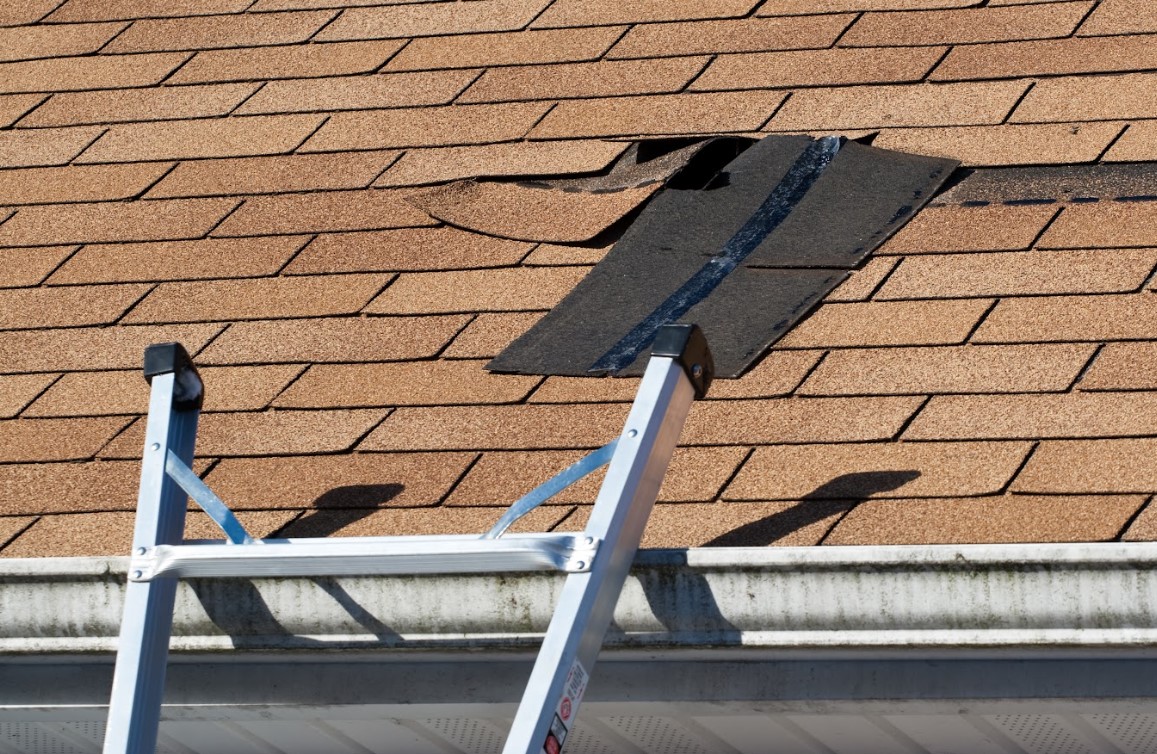
The final step in a thorough spring roof inspection is documentation. We provide photos, written condition notes, and practical recommendations. If storm-related damage is present, we outline what that means for next steps.
Why Timing Is Strategic
In this region, a simple timeline works well:
- Early spring, complete inspection
- Mid-spring, address minor repairs
- Late spring and early summer, enter peak storm season prepared
Establishing roof condition before hail season also supports insurance clarity. If a storm occurs later, there is documented evidence of prior condition. That reduces ambiguity during claims review.
Materials, Warranties, and Long-Term Performance
Most homes locally rely on asphalt shingles. They offer predictable performance when installed correctly and supported by adequate ventilation.
Advantages
- Broad manufacturer support
- Strong warranty structures
- Reliable cost-to-performance ratio
Limitations
- Vulnerable to large hail
- Dependent on correct installation
- Sensitive to poor attic ventilation
Brewster Roofing holds certifications including TAMKO Master Pro Dealer and GAF Certified status. Manufacturer-backed warranties can extend up to 50 years on qualifying systems, with five-year workmanship coverage.
Warranties are meaningful only when installation and maintenance are done properly. That is where a consistent roof maintenance checklist each spring adds value.