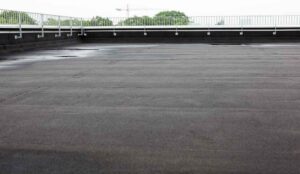
In Gardner and across the Kansas City metro, we see wide daily and seasonal temperature swings. It’s not unusual to have a 40-degree difference between morning and afternoon. While most people don’t think twice about it, these fluctuations have a measurable effect on roofing systems.
At Brewster Roofing, we’ve replaced and repaired more than 15,000 roofs since 1964. One of the most common problems we identify during inspections is thermal movement—what happens when roofing materials expand with heat and contract with cold. Over time, this movement leads to separation, stress fractures, and leaks. It’s not always visible at first, but it’s almost always progressive.
This article explains how roof expansion and contraction affects your home or building, what kind of damage to look for, and how to minimize long-term costs through smart material choices, ventilation, and regular inspections.
What You’ll Learn
- How Kansas and Missouri weather impacts roof materials
- Early warning signs of temperature-related damage
- Which roofing materials handle expansion best
- How Brewster Roofing addresses these issues with long-term solutions
Need a professional inspection? Contact Brewster Roofing for experienced insight.
What Is Roof Expansion and Why Does It Matter?
Roofing materials move with temperature. When the sun hits a roof deck at midday, shingles expand. As temperatures drop overnight, materials contract. These cycles repeat hundreds of times each year, and they’re more severe in places like Gardner, where cold mornings are often followed by warm afternoons.
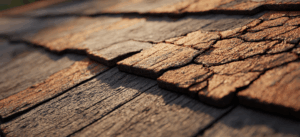
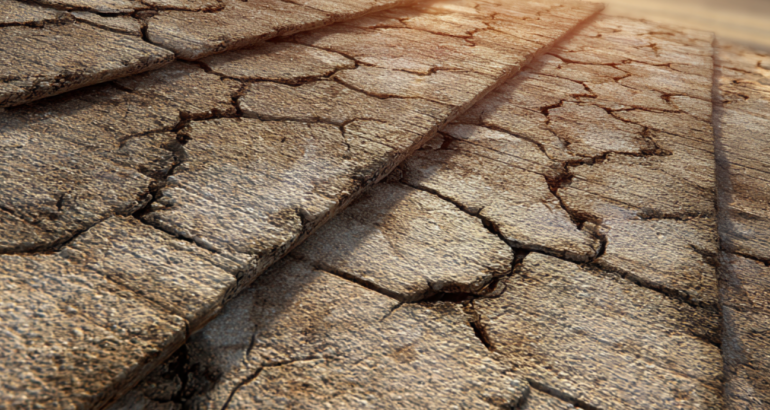
This movement, though subtle, causes ongoing material stress. Over the years, it leads to visible wear: cracked shingles, lifted fasteners, loose flashing, and stress at seams. We call this thermal fatigue. It’s one of the most common contributors to roof leaks and premature failure in our region.
Key terms:
- Roof expansion/contraction: The physical swelling and shrinking of materials with temperature changes
- Temperature roof damage: Wear that results from repeated heating and cooling
- Roofing material stress: Micro-damage caused by this ongoing movement
Local climate makes it worse
In Gardner and surrounding cities, temperature swings are common in early spring and late fall. Metal roofs and older asphalt systems are especially vulnerable. Without proper attic ventilation, the underside of the roof gets even hotter, accelerating the cycle.
This is why we pay close attention to attic airflow and underlayment integrity during every inspection. Ventilation and insulation are just as important as the shingle brand.
Before You Make a Repair or Replacement Decision
There’s no single fix for temperature-related roof wear. It’s often a combination of material performance, installation quality, and ventilation balance. Here’s what to think through before starting a project:
Budget
Roofing costs vary based on slope, complexity, material type, and whether insurance is involved. We don’t publish pricing because it’s rarely helpful without context. After an inspection, we’ll walk you through your options clearly.
Materials
Some materials handle movement better than others. Impact-resistant architectural shingles and stone-coated steel systems hold up well to thermal cycling. Lower-cost three-tab shingles tend to fatigue faster. We only recommend what makes sense for your building’s design, use, and location.
Permits and Codes
Most roof replacements in Gardner require a city permit. Our team handles the paperwork and compliance to ensure your project meets code.
Ventilation
Proper attic ventilation reduces thermal stress by regulating attic temperature. Without it, even a premium shingle system can fail early. We check this on every job.
How to Prevent Temperature-Driven Roof Damage
Look for signs of stress early
Damage from expansion and contraction is gradual. Here are the most common signs we see during inspections:
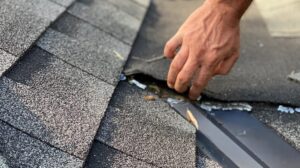
- Cracked or curling shingles, especially near ridgelines and edges
- Loose flashing around chimneys, skylights, or roof penetrations
- Popped nails or displaced fasteners, often due to swelling decking or metal movement
- Discoloration or granule loss, indicating surface wear over time
If your roof is more than 10 years old and hasn’t been inspected recently, it’s worth getting a professional look—even if there are no visible leaks.
Use materials designed for thermal movement
Some shingles are engineered to flex more without cracking. We recommend architectural-grade products from manufacturers like TAMKO, GAF, and Owens Corning. All three brands offer extended warranties when installed by certified contractors like us.
Stone-coated steel roofs are another good option for long-term durability in areas with strong sun exposure and large seasonal swings.
Learn more about our residential roofing options.
Get regular inspections
We suggest inspections twice a year: once in the spring, and again in the fall. This helps catch damage early, especially after freeze-thaw cycles or summer heat waves.
If you’re dealing with an emergency, we also provide same-day tarping—even at night. This is especially important for multifamily or commercial buildings where water intrusion affects multiple units.
Deep Dive: Material Performance and Long-Term Value
We’ve worked with every major roofing system over the past 60 years. Here’s how the most common materials perform under thermal stress in our region.
| Material Type | Thermal Movement Resistance | Notes |
| Three-tab Asphalt Shingles | Low | Inexpensive but prone to cracking. Not ideal for roofs with poor ventilation. |
| Architectural Asphalt Shingles | Moderate to High | Thicker and layered, better suited to thermal cycling. Most popular choice for residential roofs. |
| Stone-Coated Steel | High | Excellent durability. Performs well on steep-slope and multi-family structures. |
| Corrugated Metal | Moderate | Long lifespan but requires attention to fasteners. Good for barns, pole buildings, and industrial settings. |
Warranty Considerations
Our TAMKO MasterShield warranty offers 30 years of non-prorated coverage and is fully transferable. For most systems, we also provide a 5-year workmanship warranty, which covers installation-related issues, including problems stemming from improper attic ventilation or flashing work.
FAQs About Roofing Damage from Temperature Swings in Gardner
If you’re noticing signs of wear on your roof and wondering whether temperature fluctuations could be to blame, you’re not alone. Below are common questions we receive from homeowners and property managers in Gardner about roof expansion, contraction, and thermal damage.