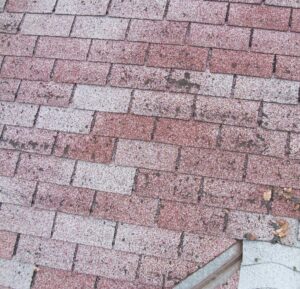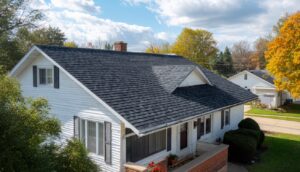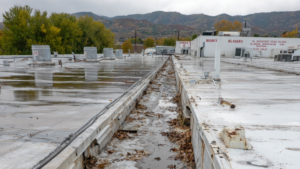
Poor attic insulation does more than affect comfort. It changes how heat and moisture move through your home. When insulation is thin, damaged, or uneven, warm air rises into the attic, condenses on cooler surfaces, and creates moisture buildup in your roofing system. Over time, that moisture leads to roof damage, energy loss, and avoidable repairs.
In Overland Park, KS and Lee’s Summit, MO, this pattern shows up in both winter and summer. A homeowner may notice higher utility bills or uneven temperatures first. Then come the deeper issues, moisture problems in the roof, excess moisture affecting your roof, and signs of early roof deterioration tied directly back to poor or damaged attic insulation.
Here is what this guide will walk through:
- How attic insulation directly impacts roof structure and lifespan
- Why moisture buildup starts and how it spreads
- The connection between insulation failure and energy loss
- What a proper inspection should uncover
- How to fix the issue without repeating the same problem
If your home is showing early warning signs, Brewster Roofing can help.
Why Poor Attic Insulation Leads to Roof Damage in This Region
To understand how poor attic insulation causes roof damage and moisture problems, it helps to start with how your attic is supposed to work.
A properly insulated attic creates a barrier between indoor air and the outside environment. It slows heat transfer and limits how much warm, moisture-laden air reaches the roof structure.
When insulation breaks down, that control is lost.
In Kansas and Missouri, this becomes a bigger issue because of how quickly conditions change:
- Cold winters push warm indoor air into the attic
- Hot, humid summers increase condensation risk
- Storm systems introduce additional moisture into roofing materials
When poor or damaged attic insulation allows warm air to rise unchecked, that air carries moisture with it. Once it hits the underside of the roof deck, it cools and condenses. That is where moisture problems in the roof begin.
Over time, this leads to:
- Moisture buildup in your roofing system
- Rotting roof decking
- Mold growth in attic spaces
- Reduced lifespan of asphalt shingles
This is why insulation is not just an energy issue. It is a structural issue that directly impacts the health of your roof.
What to Know Before Fixing Insulation-Related Roof Problems
Fixing poor attic insulation without understanding the full system often leads to repeat problems. The goal is not just to add more insulation. It is to stop the conditions that caused moisture buildup in the first place.
Start with a full inspection, not assumptions
Insulation problems are often tied to:
- Ventilation gaps
- Minor roof leaks
- Previous installation shortcuts
A proper inspection identifies how poor attic insulation is contributing to moisture problems in the roof, instead of treating insulation as an isolated issue.
Understand what affects cost
Every home is different. Costs vary based on:
- The type and condition of existing insulation
- The size and layout of the attic
- Ventilation improvements needed
- Whether moisture has already caused roof damage
Because poor insulation often leads to multiple issues, the scope of work determines the investment.
Choose materials based on performance, not habit
Different insulation materials respond differently to moisture and airflow. The right material depends on how your attic handles heat and ventilation, not just what was used before.
Timing matters because damage compounds
The longer moisture buildup in your roofing system continues, the more likely it is to affect structural components. Addressing insulation early limits both roof damage and long-term energy loss.
How Poor Attic Insulation Causes Moisture Problems Step by Step
Understanding the sequence helps explain why this issue leads to both roof damage and higher energy costs.
Step 1: Heat escapes through weak insulation
When insulation is thin or uneven, warm air rises into the attic more easily. This is the starting point of both energy loss in your home and moisture problems in the roof.
Step 2: Warm air carries moisture into the attic
Indoor air always contains some level of moisture. When that air escapes into the attic, it brings that moisture with it.
Step 3: Condensation forms on cooler surfaces
As warm air reaches the underside of the roof deck, it cools. That temperature change causes condensation to form.
This is where moisture buildup in your roofing system begins.
Step 4: Moisture accumulates without proper ventilation
If ventilation is limited, moisture cannot escape. Instead, it collects over time, affecting insulation, wood, and roofing materials.
Step 5: Roof damage develops gradually
With ongoing exposure, moisture leads to:
- Wood rot in decking
- Mold growth
- Shingle deterioration
At the same time, increased home energy loss continues because insulation is no longer performing its job.
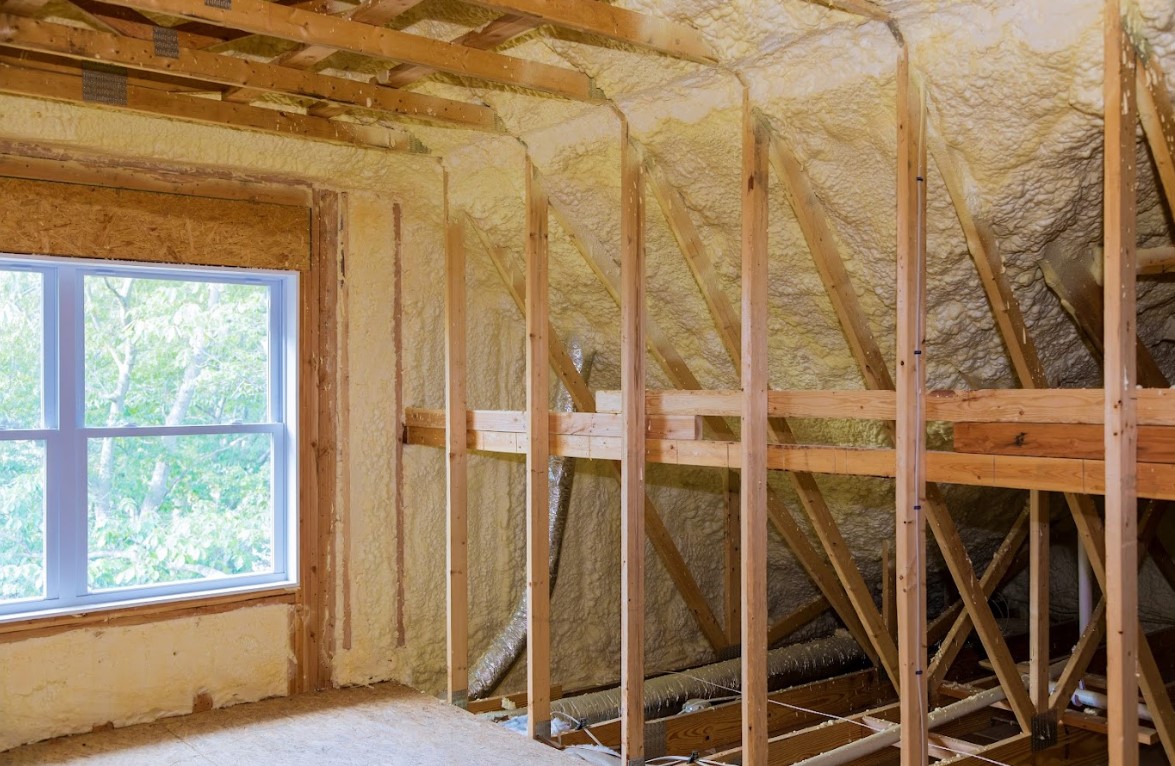
Poor Insulation vs Proper Insulation: Why the Difference Matters
Factor | Poor or Damaged Attic Insulation | Proper Attic Insulation |
Heat control | Unstable, allows heat escape | Consistent and controlled |
Moisture risk | High, leads to condensation | Low, moisture is managed |
Roof condition | Gradual deterioration | Longer lifespan |
Energy efficiency | Increased home energy loss | Reduced energy waste |
Long-term impact | Repeated repairs | Predictable performance |
This comparison highlights the central issue. Poor attic insulation does not just increase utility bills. It creates the exact conditions that lead to roof damage and moisture problems.
A Real-World Pattern We See in Homes
A common situation starts with increased energy loss in the home. The heating system runs longer, and certain rooms never feel consistent.
An inspection often reveals:
- Incomplete or settled insulation
- Limited airflow through the attic
- Early signs of condensation on the roof deck
At this stage, there may be no visible roof leak. But moisture problems in the roof are already forming.
If left alone, this typically progresses into:
- Mold growth
- Structural wood damage
- Interior water stains
Addressing poor attic insulation early prevents these issues from turning into larger roof repairs.
What Actually Fixes Roof Damage Caused by Poor Insulation
Solving this problem requires correcting the full system, not just adding insulation.
In most cases, that includes:
- Replacing or adding insulation where coverage is insufficient
- Improving ventilation so moisture can escape
- Identifying and repairing any roof leaks contributing to moisture
- Replacing damaged decking if moisture exposure has progressed
Each step ties back to the same goal. Stop the cycle of heat escape, condensation, and moisture buildup in your roofing system.
How Brewster Roofing Identifies and Solves the Problem
With more than 60 years of experience and over 15,000 completed projects, Brewster Roofing approaches insulation issues as part of overall roof performance.
A typical inspection focuses on:
- How poor attic insulation is affecting heat movement
- Whether moisture problems in the roof are already present
- How ventilation is contributing to or limiting moisture buildup
- Whether structural damage has started
This approach is especially important for multi-family properties, HOAs, and assisted living facilities, where insulation and ventilation issues often impact multiple units at once.
Instead of guessing, the process provides a clear understanding of how insulation, moisture, and roof condition are connected, and what needs to be corrected.
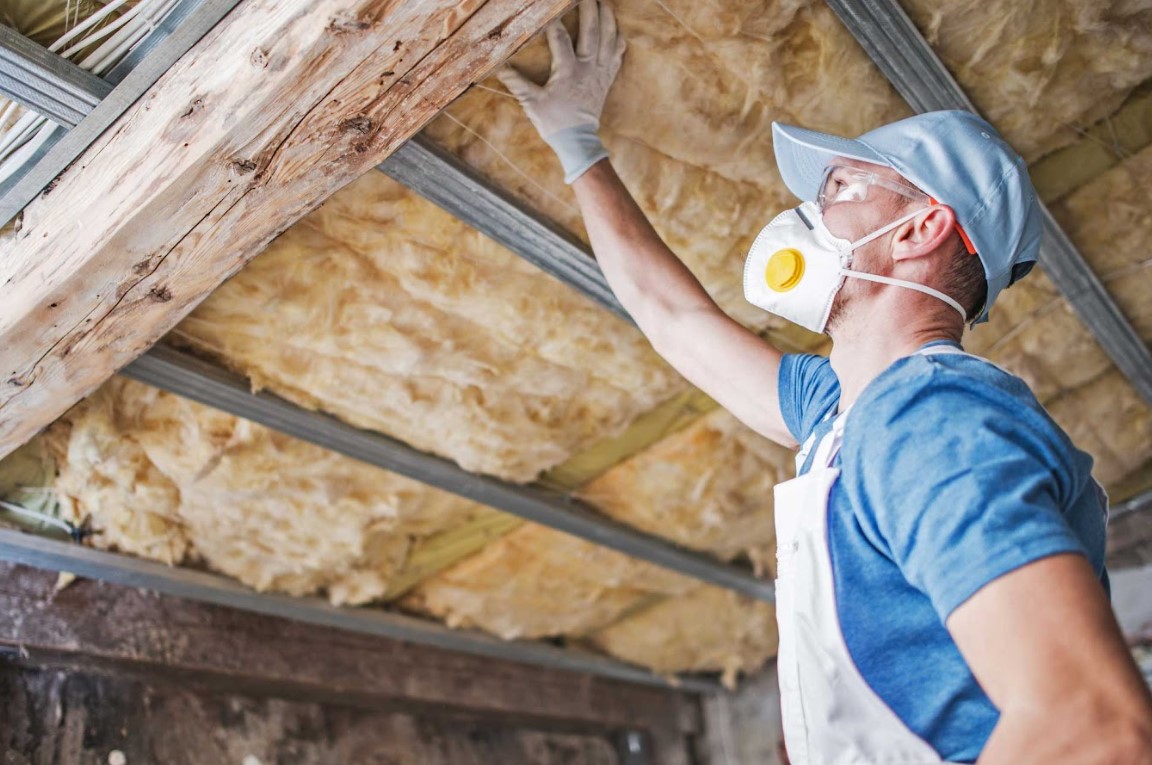
Deep Dive: Insulation Types and Their Role in Moisture Control
Different insulation materials influence how moisture behaves in the attic.
Fiberglass batt insulation
- Works well when installed evenly
- Gaps or compression reduce effectiveness and allow heat escape
Blown-in insulation
- Provides more complete coverage
- Helps reduce airflow gaps that contribute to condensation
Cellulose insulation
- Strong thermal performance
- Requires proper ventilation to avoid moisture retention
Regardless of material, poor installation or aging insulation leads back to the same issue. Heat escapes, moisture follows, and roof damage develops over time.
Why this matters long term
Correcting insulation improves:
- Control of heat movement
- Reduction of moisture buildup in your roofing system
- Overall roof lifespan
- Stability of indoor temperatures
Common Attic Insulation and Roof Moisture Questions in Overland Park, KS and Lee’s Summit, MO
If you are dealing with uneven temperatures, rising energy bills, or signs of moisture in your attic, these are the most common questions homeowners and property managers ask when trying to understand how poor attic insulation leads to roof damage and moisture problems.
How does poor attic insulation cause roof damage?
Poor attic insulation causes roof damage by allowing warm, moist air to rise into the attic and condense on the underside of the roof deck. Over time, this moisture leads to wood rot, mold growth, and deterioration of roofing materials, especially when ventilation is limited.
What are the first signs of moisture problems in the roof?
The first signs of moisture problems in the roof include damp insulation, musty odors, and visible condensation in the attic. These early indicators often appear before interior leaks, making early inspection important.
Can insulation alone fix moisture buildup in a roofing system?
Insulation alone cannot fix moisture buildup in a roofing system because ventilation is also required to remove trapped moisture. Without proper airflow, condensation will continue even if new insulation is installed.
Why is this problem common in Kansas and Missouri?
This problem is common in Kansas and Missouri because temperature swings and seasonal humidity create ideal conditions for condensation. When poor attic insulation is present, those conditions lead to consistent moisture buildup in the roofing system.
Does poor attic insulation increase energy loss in your home?
Poor attic insulation increases energy loss in your home by allowing conditioned air to escape more easily. This leads to unnecessary heat loss and energy waste, which raises heating and cooling demands.
Is this more common in older homes?
This issue is more common in older homes because insulation and ventilation systems may not meet current performance standards. Over time, materials also settle or degrade, making moisture problems more likely.
Can roof damage from moisture be reversed?
Roof damage from moisture can sometimes be reversed if it is caught early, but prolonged exposure often requires replacing affected materials. The longer moisture buildup continues, the more likely structural repairs will be needed.
When should I schedule an attic and roof inspection?
You should schedule an attic and roof inspection when you notice higher energy bills, uneven indoor temperatures, or any signs of attic moisture. These symptoms often indicate poor attic insulation contributing to larger roofing issues.
Conclusion
Poor attic insulation creates a chain reaction. Heat escapes, moisture follows, and over time that moisture leads to roof damage and ongoing energy loss. In climates like Kansas and Missouri, where temperature swings are common, this process tends to accelerate.
Brewster Roofing has been identifying and correcting these issues since 1964. The focus is always the same. Understand how insulation, ventilation, and roofing work together, and fix the problem at its source.
If you suspect moisture buildup or insulation issues, the next step is straightforward.