Energy-efficient roofing options for commercial buildings are designed to reduce heat transfer, improve insulation performance, and lower operating costs. Systems like cool roof coatings, reflective membranes, and upgraded insulation work together to control building temperature. In climates like Kansas and Missouri, choosing the right roofing system directly impacts energy savings, roof lifespan, and long-term property performance.
Energy costs tend to spike during peak summer heat and winter cold. For commercial buildings in Overland Park, KS and Lee’s Summit, MO, that cycle often points back to the roof. Energy-efficient commercial roofing is not just about materials. It is about how roofing systems reduce energy loss, manage heat, and prevent moisture-related inefficiencies that drive up operating costs.
Here is what this guide will cover:
- How energy-efficient roofing options for commercial buildings reduce energy loss
- The role of cool roof systems and reflective materials
- How roofing systems impact long-term energy savings
- How to choose the right system based on building needs
- What a proper inspection should uncover before making changes
If you are evaluating roofing upgrades for long-term performance, Brewster Roofing can help.
Why Energy-Efficient Roofing Options for Commercial Buildings Matter in This Region
To understand energy-efficient roofing options for commercial buildings, it helps to start with how commercial roofs behave under seasonal stress.
A standard commercial roof absorbs heat during the day and releases it slowly. In summer, that heat transfers into the building. In winter, poorly insulated roofs allow heat to escape. Both situations increase energy use and strain building systems.
In Kansas and Missouri, this becomes more significant because:
- Summer heat raises roof surface temperatures dramatically
- Winter conditions increase heat loss through the roofing system
- Storm exposure can weaken materials and reduce energy efficiency over time
Energy-efficient roofing options for commercial buildings are designed to address these conditions directly. Cool roof systems and reflective cool roofing systems reduce heat absorption, while improved insulation limits heat transfer.
For commercial properties such as multi-family housing, assisted living facilities, and large complexes, these improvements scale across the entire building. That is why energy efficiency in commercial roofing is not just a feature. It is a performance requirement.
What to Know Before Selecting Energy-Efficient Roofing Options for Commercial Buildings
Choosing energy-efficient roofing options for commercial buildings requires understanding how your current system is performing and where energy loss is occurring.
Start with a system-wide inspection
Energy inefficiencies are rarely caused by one issue alone. They are often tied to:
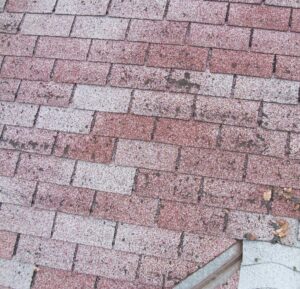
- Aging roofing materials
- Insulation gaps
- Moisture intrusion
- Ventilation limitations
An inspection identifies how the existing roofing system is contributing to energy loss and where improvements will have the most impact.
Evaluate cost as a long-term investment
Costs vary based on:
- Roof size and structure
- Material selection
- Whether replacement or coating is appropriate
- Existing damage within the system
Energy-efficient roofing options for commercial buildings should be evaluated based on lifecycle performance, not just initial cost.
Match materials to building function
Different commercial buildings have different demands. Roof slope, usage, and occupancy levels all influence which energy-efficient roofing system will perform best.
Plan improvements around seasonal demand
Installing energy-efficient roofing options before peak summer or winter conditions allows buildings to benefit from improved performance immediately.
Energy-Efficient Roofing Options for Commercial Buildings That Deliver Measurable Results
There are several proven energy-efficient roofing options for commercial buildings. Each option addresses heat transfer and energy loss in different ways.
Cool roof systems
Cool roof systems are designed to reflect sunlight and reduce heat absorption. By lowering roof surface temperature, they reduce the amount of heat entering the building.
For commercial buildings, this translates into:
- Lower cooling demand
- More stable indoor temperatures
- Improved energy savings from the roofing system
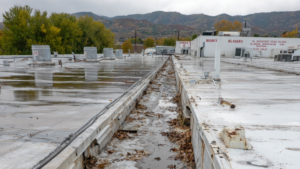
These systems are particularly effective for flat and low-slope roofs commonly found in commercial properties.
Reflective roof coatings
Reflective coatings provide a way to improve energy efficiency without full roof replacement when the existing system is still viable.
They improve energy-efficient commercial roofing performance by:
- Increasing reflectivity
- Reducing surface heat buildup
- Extending the lifespan of existing materials
This makes them a practical energy-saving cool roof solution for many commercial buildings.
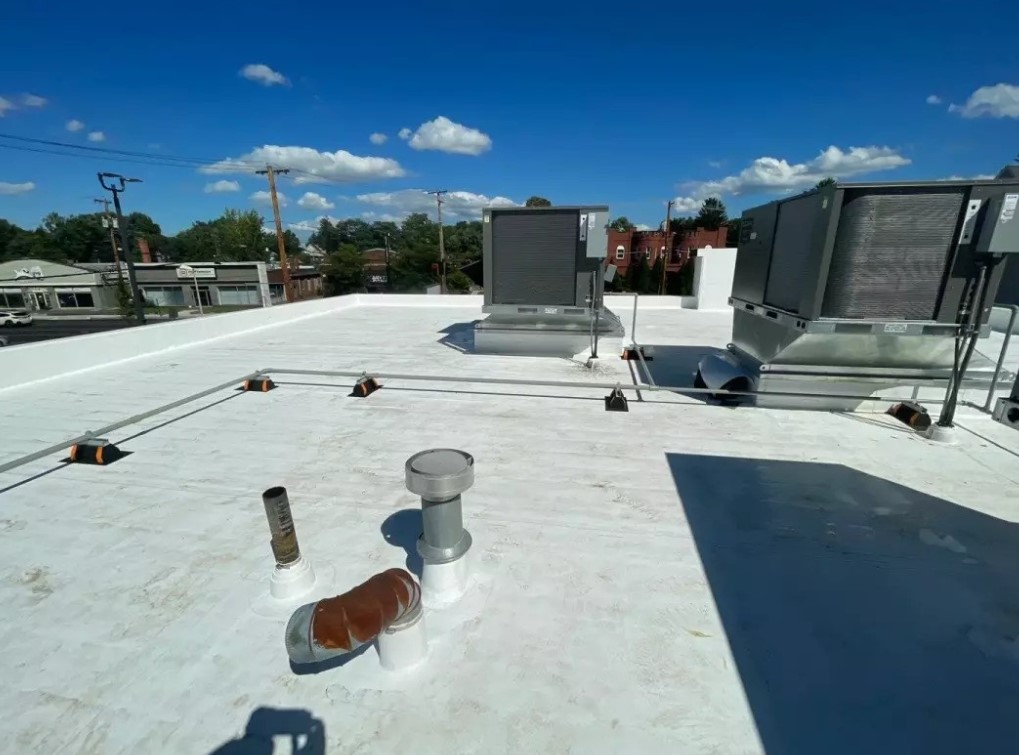
Modified bitumen with reflective surfaces
Modified bitumen systems are widely used in commercial roofing. When paired with reflective finishes, they become more energy efficient.
They offer:
- Strong durability in changing weather
- Reliable waterproofing
- Improved energy performance when combined with reflective layers
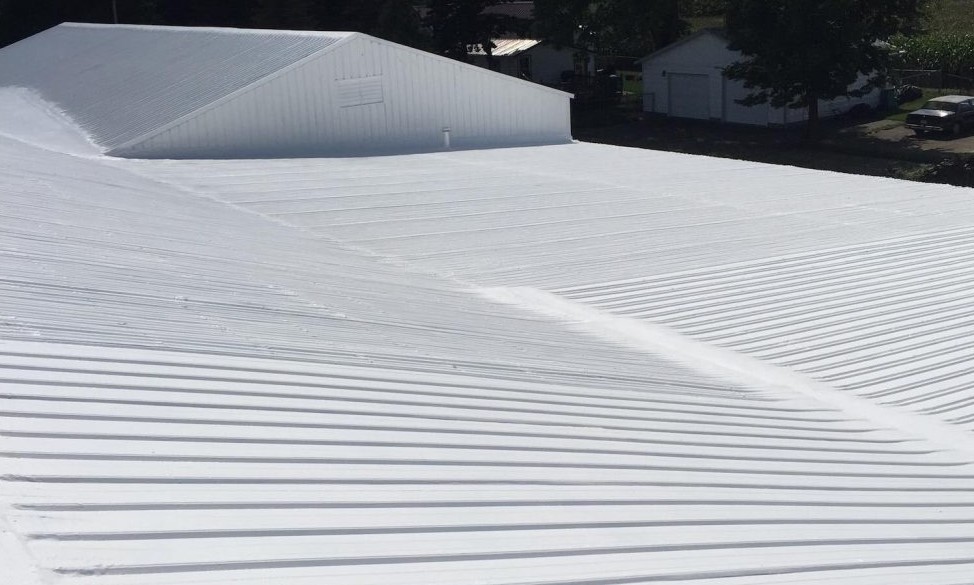
Metal roofing systems
Metal roofing is a long-term energy-efficient roofing option for commercial buildings due to its natural reflectivity and durability.
Benefits include:
- Reduced heat absorption
- Long service life
- Strong resistance to storm damage
Insulation upgrades within the roofing system
Energy-efficient roofing options for commercial buildings rely heavily on insulation performance.
Upgrading insulation:
- Reduces heat transfer
- Limits winter heat loss
- Supports overall roofing energy savings
How to Choose the Right Energy-Efficient Roofing Option for Your Building
Selecting the right energy-efficient roofing option for commercial buildings requires evaluating how the building operates and where energy loss occurs.
Key decision factors include:
- Building type: Multi-family and large commercial buildings benefit most from reflective systems
- Roof design: Flat and low-slope roofs are ideal for cool roof systems
- Current condition: Some systems can be improved with coatings, while others require replacement
- Long-term goals: Reducing operating costs, extending lifespan, or both
- Maintenance expectations: Some systems require more ongoing maintenance than others
Choosing the right option means focusing on long-term performance rather than short-term fixes.
A Real-World Commercial Example of Energy-Efficient Roofing in Action
A multi-family property experiences rising cooling costs during summer months. HVAC systems are functioning properly, but indoor temperatures remain inconsistent.
An inspection reveals:
- A dark roof surface absorbing heat
- Aging materials with reduced reflectivity
- Insufficient insulation beneath the roofing system
By upgrading to a reflective cool roofing system and improving insulation, the building reduces heat absorption and stabilizes indoor temperatures. Over time, this leads to measurable energy savings from the roofing system and improved comfort across multiple units.
This example highlights how energy-efficient roofing options for commercial buildings address both energy loss and long-term performance.
What Actually Drives Energy Savings in Commercial Roofing Systems
Energy-efficient roofing options for commercial buildings work best when multiple components function together.
True energy savings come from:
- Reflective materials that reduce heat absorption
- Insulation that limits heat transfer
- Ventilation that helps regulate internal conditions
- Proper installation that eliminates gaps and weak points
Focusing on one component without addressing the full system often leads to limited results.
How Brewster Roofing Approaches Energy-Efficient Commercial Roofing
Brewster Roofing approaches energy-efficient roofing options for commercial buildings as a system-level solution.
Each inspection evaluates:
- Where energy loss is occurring within the roofing system
- How materials are performing under current conditions
- Whether insulation and ventilation are contributing to inefficiency
- What improvements will deliver the most measurable results
This process is especially important for multi-family, HOA, and assisted living properties, where roofing performance affects multiple occupants and long-term operating costs.
Deep Dive: Comparing Energy-Efficient Roofing Options for Commercial Buildings
Understanding how different systems perform helps clarify which option is right for a specific building.
Cool roof systems
- Pros: Strong reflectivity, reduced cooling demand
- Cons: Requires compatibility with existing system
Reflective coatings
- Pros: Cost-effective, extends roof life
- Cons: Not suitable for all roof conditions
Metal roofing
- Pros: Long lifespan, durable, naturally reflective
- Cons: Higher upfront investment
Modified bitumen with reflective finish
- Pros: Durable, adaptable, widely used
- Cons: Requires proper installation to maximize efficiency
Long-term performance impact
Energy-efficient roofing options for commercial buildings improve:
- Operating cost stability
- Roof lifespan
- Maintenance predictability
- Indoor comfort across units
For commercial properties, these benefits compound over time and directly support long-term asset value.
Key Questions About Energy-Efficient Roofing Options for Commercial Buildings
Before moving forward with energy-efficient roofing options for commercial buildings, most property owners want clear answers about performance, cost impact, and what to expect long term. These are the most common questions we hear when evaluating energy efficiency in commercial roofing systems.
How does energy-efficient roofing reduce operating costs for commercial buildings?
Energy-efficient roofing reduces operating costs for commercial buildings by lowering heat absorption and improving insulation performance. This reduces the workload on HVAC systems, which leads to more stable indoor temperatures and lower energy usage over time.
What are cool roof systems and how do they improve energy efficiency?
Cool roof systems improve energy efficiency by reflecting sunlight and reducing heat absorption at the roof surface. This keeps the building cooler, especially during peak summer months, and helps reduce overall cooling demand.
Can energy-efficient roofing options be added without full roof replacement?
Energy-efficient roofing options can be added without full roof replacement in some cases by applying reflective coatings to an existing system. This depends on the current condition of the roof and whether it can support additional layers.
How much energy savings can a commercial roofing system provide?
Energy savings from a commercial roofing system can vary, but improved systems consistently reduce cooling demand and overall energy use. The exact impact depends on building size, insulation quality, and existing roof condition.
Are energy-efficient roofing options suitable for multi-family properties?
Energy-efficient roofing options are well suited for multi-family properties because improvements in roofing performance benefit multiple units at once. This often leads to noticeable reductions in shared energy costs.
Does insulation play a major role in roofing energy efficiency?
Insulation plays a major role in roofing energy efficiency by controlling how heat moves through the building. Without proper insulation, even reflective roofing systems will not perform as effectively.
When should a commercial building schedule a roofing inspection for energy efficiency?
A commercial building should schedule a roofing inspection for energy efficiency when energy costs increase, indoor temperatures become inconsistent, or roofing materials begin to show signs of aging. Early inspection helps identify where energy loss is occurring before it leads to larger issues.
Conclusion
Energy-efficient roofing options for commercial buildings are not just about material selection. They are about how the entire roofing system controls heat, reduces energy loss, and supports long-term performance.
In regions with seasonal extremes, improving energy efficiency in commercial roofing helps stabilize operating costs, extend roof lifespan, and improve building performance across all units.
Brewster Roofing brings decades of experience working on commercial properties where results matter. The focus is always on identifying energy loss, correcting system weaknesses, and delivering solutions that perform over time.