When you compare a metal roof vs asphalt shingles for a Kansas City home, metal usually wins on lifespan and storm resilience, while asphalt shingles win on upfront cost, easy repairs, and a traditional look that fits almost any neighborhood. The right choice depends on how long you plan to stay in the home, your roof’s pitch, your HOA, and how much you want to invest today versus over the next few decades.
Both materials hold up well in our metro when they are installed correctly, and Brewster Roofing installs both every week across Kansas and Missouri. This guide walks through how each option handles Kansas City hail, wind, and freeze-thaw winters, how long each one realistically lasts, and the practical details that often decide the question for local homeowners.
Key Takeaways
- InterNACHI’s life expectancy chart lists metal roofing at 40 to 80 years, compared with 20 years for 3-tab asphalt shingles and 30 years for architectural shingles.
- Missouri and Kansas ranked fourth and fifth in the nation for hail loss claims from 2016 through 2018, so storm performance belongs at the top of any local roofing decision.
- Building code allows standing seam metal on much flatter roofs than asphalt shingles, which matters for porches, additions, and low-slope sections.
- Asphalt shingles cost less up front and are simpler to patch after a storm, while metal tends to deliver more value the longer you own the home.
Metal Roof vs Asphalt Shingles: What Is the Real Difference?
The core difference comes down to what the roof is made of and how it sheds water. Asphalt shingles are layered, overlapping tabs made from a fiberglass mat, asphalt, and ceramic granules. Metal roofs use steel panels or shaped metal shingles that lock or fasten together into large, continuous surfaces with far fewer seams.
At Brewster Roofing, the asphalt side of that comparison includes 3-tab, architectural, premium, and impact-resistant shingles from TAMKO, GAF, CertainTeed, and Owens Corning. Our asphalt shingle roofing work covers everything from a single repair to a full tear-off.
On the metal side, homeowners can choose standing seam (snap-lock) steel panels, exposed fastener panels, metal shingles, and Decra stone-coated steel, which mimics the profile of shingles or shake while keeping the strength of steel. That range matters, because “metal roof” can describe very different looks and price points.
How Long Do Metal Roofs Last Compared to Asphalt Shingles?
If you are wondering how long do metal roofs last, the short answer is decades longer than most shingle roofs. The International Association of Certified Home Inspectors publishes a standard life expectancy chart that lists metal roofing at 40 to 80 years, architectural asphalt shingles at 30 years, and 3-tab asphalt shingles at 20 years.
Real-world lifespan in Kansas City depends on more than the material. Attic ventilation, installation quality, the number of hail events a roof absorbs, and how quickly small problems get fixed all play a role. A well-ventilated architectural shingle roof can reach its expected range, while a poorly ventilated one may age early from trapped summer heat.
Metal’s longevity comes from its continuous panels, factory-applied coatings, and resistance to granule loss and curling. For a deeper look at the factors that shorten or extend that life, see our guide to how long metal roofs last in Overland Park.
Which Roof Handles Kansas City Hail and Wind Better?
Storm performance is where the metal roof vs asphalt shingles debate gets personal for local homeowners. The National Insurance Crime Bureau found that Missouri and Kansas recorded more than 299,000 combined hail loss claims from 2016 through 2018, ranking fourth and fifth in the country. Add spring wind, straight-line storms, and the occasional tornado, and your roof takes a beating that roofs in many other regions never see.
Metal panels interlock across the whole roof, which gives wind fewer edges to catch and lift. Hail can dent metal, especially softer or thinner panels, but a dent is often cosmetic and does not always open a path for water. Some homeowners policies treat cosmetic damage to metal roofs differently, so read your coverage before you decide.
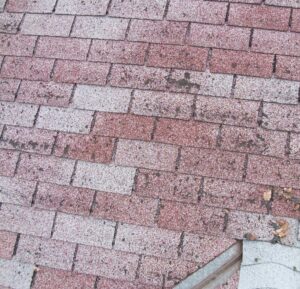
Standard asphalt shingles are more likely to lose granules, crack, or bruise from hail, and that damage can shorten the roof’s life even when it does not leak right away. Class 4 impact-resistant asphalt shingles narrow that gap considerably and are a popular middle ground in our area. We break down the specific damage patterns in our article on how hail damage affects asphalt shingle and metal roofs.
Are Metal Roofs Worth It for Kansas City Homeowners?
Whether metal roofs are worth it depends mostly on time. A metal roof costs more to install than asphalt shingles, but because it can outlast two or even three shingle roofs, the cost spread over its full life often comes out competitive. If you plan to stay in your home for 15 years or more, that math tends to favor metal.
If you expect to move within a few years, asphalt shingles usually make more financial sense. A new architectural shingle roof still adds curb appeal and buyer confidence, and you avoid paying for decades of lifespan you will not use. If that fits your plans, our residential roofing in Overland Park includes complete shingle replacements on the Kansas side.
A few other factors push the decision one way or the other:
- Energy use: Metal reflects more solar heat than dark asphalt, which can help keep attics cooler during humid Kansas City summers, especially with lighter or coated finishes.
- Repairs: Asphalt shingles are easy to replace a few at a time. Metal repairs require matching panels and experienced installers.
- Appearance: Shingles blend into nearly every neighborhood. Stone-coated steel gives you a shingle-like look if a traditional style matters to you.
Whichever direction you lean, ask us about our financing options so the upfront number does not make the decision for you.
How Should You Choose Between Metal and Asphalt Shingles?
The fastest way to settle the metal roof vs shingles question is to work through a few practical questions in order. These are the same points we walk through with homeowners during a roof replacement consultation.
- How long will you stay in the home? Fifteen years or more points toward metal. A shorter timeline usually points toward architectural or impact-resistant shingles.
- What does your roof pitch look like? Low-slope porches, additions, and dormers may rule out shingles in those areas and favor standing seam metal.
- What does your HOA allow? Many subdivisions in Johnson County and eastern Jackson County require approval for roof material and color before work begins. Our crews providing metal roofing in Shawnee work through that approval step with Johnson County HOAs regularly.
- How has your current roof handled storms? A roof that has needed repeated hail repairs is a strong signal to consider metal or Class 4 shingles.
- What is your budget today versus over time? Compare the upfront cost with the expected number of replacements over the years you plan to own the home.
Neighborhood character also plays a role, since a roof that matches the homes around it can help resale. If you live east of Kansas City, our team handles metal roofing in Raytown as well as shingle roofs throughout the surrounding Missouri suburbs.
What Does Installation Look Like for Each Roof Type?
Asphalt shingle replacement is the more familiar process. Crews tear off the old roof, inspect and repair the decking, install underlayment and flashing, and then lay the shingles. On a typical home, the work moves quickly once materials arrive. We complete residential roofing in Lee’s Summit and across eastern Jackson County on this kind of schedule regularly.
Metal installation takes more planning. Panels are often measured and cut to the length of each roof section, trim and flashing details are more involved, and installers need specific training to handle seams, fasteners, and expansion correctly. That extra precision is a big part of why metal performs so well for so long, and why choosing an experienced crew matters.
Whichever material you choose, professional roof installation that follows the manufacturer’s specifications is what protects your warranty.
Why Kansas City Homeowners Trust Brewster Roofing for Both Materials
Brewster Roofing has served the Kansas City area for 60 years and replaced more than 15,000 roofs. We are a TAMKO Master Pro Dealer, a Beacon Pro Plus Dealer, and GAF Certified, and we hold BBB A+ accreditation. Because we install both materials, our advice on metal roof vs asphalt shingles comes down to what fits your home and your plans.
Every roof we install is backed by our 5-year workmanship warranty, along with the manufacturer warranty options available for your chosen product. If you are leaning toward steel, our metal roofing installation and repair team can show you panel profiles, colors, and stone-coated options side by side with shingle samples.
Frequently Asked Questions About Metal and Asphalt Roofs in Kansas City
What is the minimum roof pitch for asphalt shingles compared to metal roofing?
Under the International Residential Code, asphalt shingles require a slope of at least 2:12, with double underlayment between 2:12 and 4:12. Standing seam metal roof systems can go as low as 1/4:12. Local amendments can vary, so your contractor should confirm the code your city has adopted.
Will my HOA approve a metal roof in the Kansas City area?
Many Kansas City area HOAs do approve metal roofs, but rules vary by subdivision. Some restrict exposed fastener panels or bright colors, while stone-coated steel that resembles shingles or shake is often easier to get approved. Request your HOA’s architectural guidelines and submit material samples and colors for written approval before ordering.
How long does a metal roof installation take compared to a shingle roof?
An asphalt shingle replacement on a typical home usually moves faster because the materials are standardized and widely stocked. A metal roof often takes longer because panels and trim are measured, cut, and fitted to each roof section. Weather, roof size, and decking repairs affect both timelines, so ask for a project schedule with your estimate.
Does a metal roof need snow guards in Kansas City?
Metal roofs shed snow and ice faster than shingles, which can send heavy slides onto walkways, decks, gutters, and landscaping. Snow guards help hold snow in place so it melts gradually. They are worth considering above entrances, driveways, and lower roofs, especially on steeper slopes facing north where snow lingers.
Ready to compare options for your home? Contact Brewster Roofing to schedule a roof replacement estimate and see metal and asphalt shingle samples side by side.